How to Sell Your Online Courses with Affiliates

As an online course creator, you’re no stranger to the struggle of promoting your course.
In 2022 we ran an affiliate program for a client.
“We don’t know who will really buy our product. No one knows us” founder said.
Within a month they launched it and sold $100,000 worth product in one second. Yes, one second.
Affiliate disclosure: Some links on this page are affiliate links. If you buy through them, I may earn a commission at no extra cost to you. I will appreciate if you use them.
Affiliate Marketing is a Must-Have for Creators
Affiliate marketing is a game-changer for online course creators. By partnering with affiliates, you can:
- Increase revenue
- Reach a wider audience
- Reduce your marketing costs: With affiliate marketing, you only pay for results, not for ad space or clicks.
- Build credibility and trust with your audience: When affiliates promote your course, they’re essentially endorsing your product, which can build credibility and trust with your audience.
- Gain a competitive advantage over your competitors: By having an affiliate program, you can differentiate yourself from your competitors and establish yourself as a leader in your niche.
Think for a second: When you launch an affiliate program, your user acquisition happens through referrals. You can partner with niche influencers without spending money on marketing. When you make money, they make money. Win-win.
But launching an affiliate program can be overwhelming, especially if you’re new to affiliate marketing. That’s why we’ve put together this step-by-step guide to help you launch a successful affiliate program for your online course.
Get free referral sales: the free Affiliate Sales Blueprint ebook walks through the setup.
Before The Launch
Preparing Your Course for Success
Before you launch your affiliate program, check if your online course is “affiliate-ready”. I put together some of the critical things to know. But you can always go a step further:
- High-quality course content: An average course won’t get attention. Your course content needs to be top-notch, engaging, and valuable to your audience. A well-structured, easy-to-follow course that provides real value to your students gets more recommendations.
- Clear and concise sales page: Your sales page should clearly communicate the benefits of your course and make it easy for affiliates to promote. This can be done by making your sales page easy to navigate, adding a clear call-to-action, and including necessary information about your course.
- Compelling offer: Your offer should be irresistible to your audience and make them want to buy your course. Consider this: You can offer a free trial, a discount, or a bonus to incentivize sales. But this might not be enough. You could add more courses as a bonus if someone purchases the first.
- Tracking and analytics setup: You need to be able to track your affiliate sales and analytics to optimize your program. See if you have a tracking system in place, such as Google Analytics or an affiliate tracking software.
- Affiliate program terms and conditions: Clear terms and conditions in place for your affiliates to follow are critical. This should include information about commission rates, payment terms, and any rules or guidelines for promoting your course. By doing it, you will avoid any unnecessary conflict of interest in the operation.
The Best Affiliate Program Platform
Now that your course is affiliate-ready, it’s time to choose an affiliate program platform. Some important points to consider:
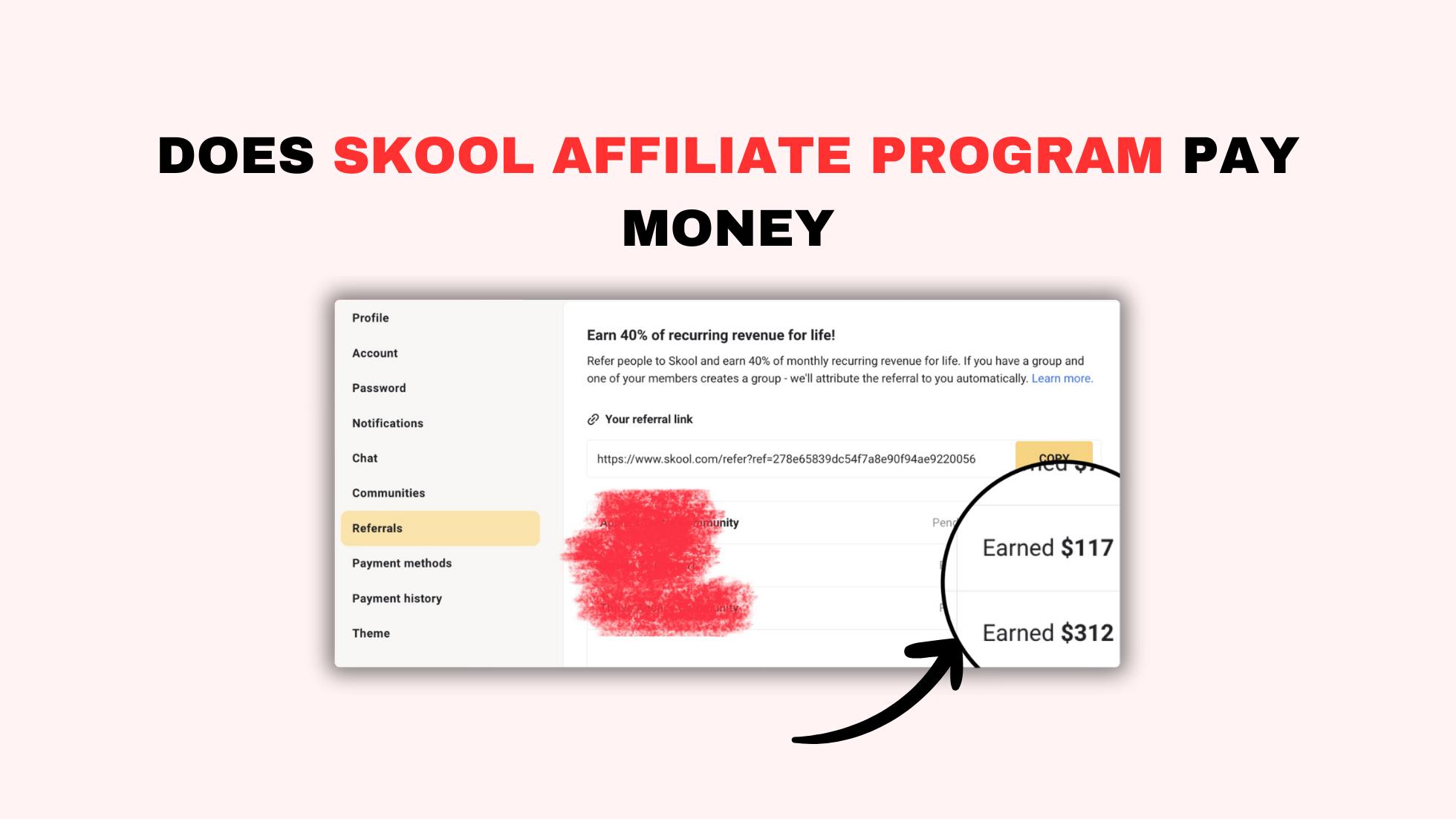
- Your course platform’s built-in affiliate tool: Many course platforms include one, so check yours before paying for another app. Podia includes affiliate marketing on its Shaker plan, and Skool includes member affiliates on its Pro plan.
- Awin: A popular affiliate network with a wide range of tools and features. ShareASale merged into Awin in 2025, so Awin now holds its large pool of affiliates and a dashboard for managing your program.
- Thrivecart: Thrivecart is an ultimate checkout system that comes with integrated Affiliate Marketing. You can offer custom referral links and offer commissions for bringing leads and sales without any coding required. This is how you can run an in-house affiliate program.
- Own In-house affiliate program software: You can also create your own affiliate program using software like AffiliateWP. This can be a cost-effective option, but it requires more technical expertise and resources.
Build a Strong Affiliate Network
Recruitment and Management Strategies
Without good affiliates, program means nothing.
- Identify target affiliates: Research and identify affiliates who are interested in your niche and have a relevant audience. Look for affiliates who have a strong following on social media, a popular blog, or a large email list. A creator who turns down a commission may still agree to a co-marketing partnership.
- Create a compelling offer: Offer incentives and rewards to motivate your affiliates to promote your course. This could include a higher commission rate, a bonus for reaching a certain sales threshold, or a free trial of your course.
- Develop a clear affiliate program policy: Create a clear policy that outlines the rules and guidelines for your affiliates. This must include information about commission rates, payment terms, and any rules or guidelines for promoting your course.
- Regular communication: Regularly communicate with your affiliates to provide support and updates. Include a monthly newsletter, a private Facebook group, or regular email updates.
- Performance tracking and optimization: Track your affiliate performance and optimize your program to improve results. Analyze your affiliate data, identifying top-performing affiliates, and adjusting your commission rates or incentives.
- Build a culture: It’s rarely offered advice, but building a community is the best way to keep people around for long term. Affiliates might join for a good commission but they will spend their time and energy in the ecosystem if there is a community around your brand. Skool can be a good platform for doing it.

Crafting Compelling Affiliate Marketing Materials
To make it easy for your affiliates to promote your course, you need to provide them with compelling marketing materials.
Here are some examples:
- Eye-catching banners: Create banners that grab attention and encourage clicks. Make sure your banners are visually appealing, easy to read, and include a clear call-to-action.
- Persuasive email templates: Provide email templates that affiliates can use to promote your course. Your email templates need to be well-written, engaging, and include a clear call-to-action.
- Social media content: Create social media content that affiliates can share to promote your course. Because algorithms change every day, your social media content needs to be engaging, visually appealing, and include a clear call-to-action.
- Product reviews: Encourage your affiliates to write product reviews or create videos that showcase your course on their own blogs and channels, with a clear affiliate disclosure. This can help build credibility and trust with your audience. Review sites such as Trustpilot do not allow reviews from people with a financial interest, so affiliates should not post there.
Launch and Optimize
Getting the Most Out of Your Affiliate Program
You’ve launched your affiliate program, but your work isn’t done yet.
- Set clear goals and KPIs: Set clear goals and KPIs to measure the success of your affiliate program. This could include metrics such as conversion rates, average order value, or revenue per affiliate.
- Monitor and analyze performance: Regularly monitor and analyze your affiliate performance to optimize your program. Include analyzing your affiliate data, identifying top-performing affiliates, and adjusting your commission rates or incentives.
- Optimize and refine your program: Refine your program based on your analysis to improve results. Adjust your commission rates, incentivizing top-performing affiliates, or creating new marketing materials.
Common Mistakes to Avoid
When launching an affiliate program, it’s easy to make mistakes that can cost you time and money. Here are some common mistakes to avoid:
- Not setting clear goals and KPIs: Set clear goals and KPIs to measure the success of your affiliate program.
- Not providing enough support to affiliates: Provide enough support to your affiliates, including marketing materials, training, and regular communication.
- Not tracking and analyzing performance: Track and analyze your affiliate performance to optimize your program.
- Not incentivizing top-performing affiliates: Incentivize top-performing affiliates to motivate them to promote your course.
Conclusion
Launching an affiliate program can seem overwhelming, but it is worth it. This guide will help you create a successful program that drives revenue and growth for your online course.
Stay focused on your goals, communicate regularly with your affiliates, and optimize your program to improve results.
What’s Next?
The question for you: Are you ready to launch your affiliate program and start increasing your online course sales? Take the first step today and start building your affiliate program.
- Get Affiliate Sales Blueprint: Step by step guide to creating your affiliate program.
FAQ
How do I sell my online course with affiliates?
The usual order is to make the course affiliate-ready first, with a clear sales page and a strong offer. Then you pick a tool that tracks referrals, recruit affiliates who already reach your audience, give them ready-made emails and graphics and review results every month.
Which platform should I use for a course affiliate program?
Many course platforms include an affiliate tool, so check yours first. Podia includes it on the Shaker plan and Skool includes member affiliates on the Pro plan. ThriveCart, AffiliateWP or a network such as Awin are options if your platform lacks one.
How much commission should I pay course affiliates?
A course costs little to deliver, so you can usually afford a higher rate than physical products allow. A good starting point is a rate that still leaves profit after refunds and fees, with a bonus for top performers.
Where can I find affiliates for my online course?
Your own students and customers are the easiest place to start, because they already trust the course. After that, look for bloggers, YouTubers, newsletter writers and community owners who serve the same audience.
Do affiliates need to disclose their links?
Yes. In the US, the FTC requires affiliates to disclose clearly that they earn a commission, and other countries have similar rules. Including a short disclosure line in your affiliate terms and swipe copy helps.
The Letter
Get the next article in your inbox.
What I am building, as it happens. The experiments, launches and numbers behind my own one-person business, including what did not work.
The tools, tested before I recommend them. Short notes on the platforms I try for selling courses, running a community and sending email, before they become full reviews.
The inner side of the work. Ideas on focus, meaning and energy for solo founders who want a business that feels as good as it performs.
Get The Letter in your inbox
One short email, usually weekly. You can unsubscribe any time.
Keep reading
More from Affiliate Business.